
Since the Boeing 737 first took to the skies on April 9, 1967, the type has grown to become the world’s best-selling airliner, and as of November 2020, an astonishing 10,586 have been built.
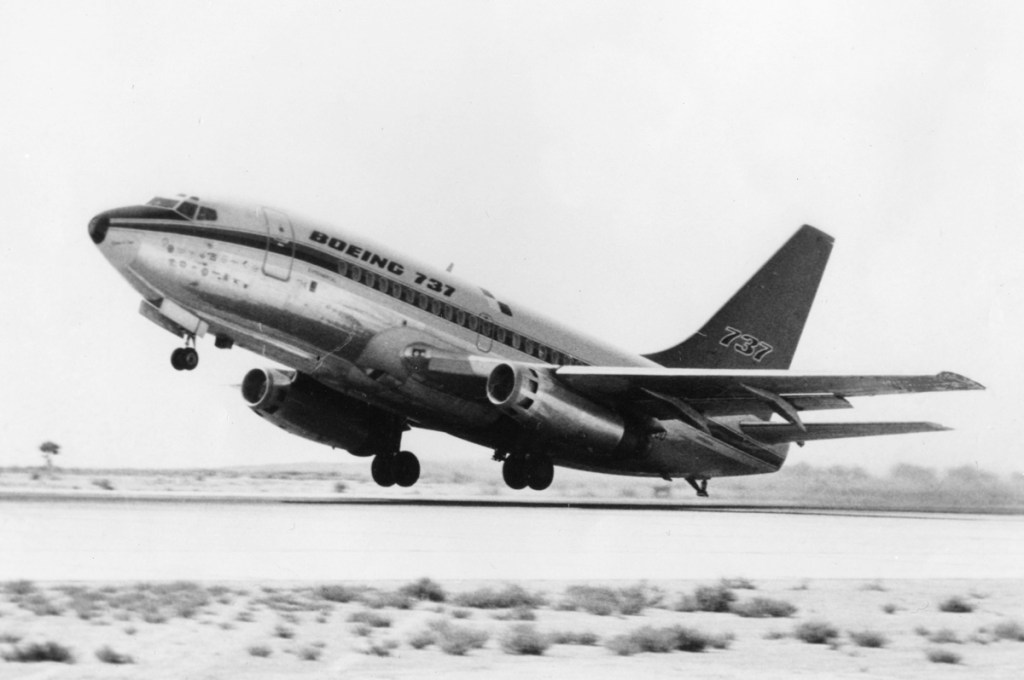
For many years, the 737 had very little real competition. But that all changed in March 1984, when European aeroplane manufacturer Airbus launched its single-aisle competitor, the A320. Initially, Boeing dismissed its competitor, but as sales of the new jet increased, it was forced to take notice of this state-of-the-art aircraft.
By now, the original 737 family known as the ‘Classic’ (-100, -200, -300 and -400) had become dated and tired in terms of its technology and so on November 17, 1993, Boeing announced that it was to initiate development of an updated version known as the 737 ‘Next Generation’ (NG). The baseline model was the -700 series, and this was rolled out on December 8, 1996. This variant was seen as a direct replacement for the -300. It featured numerous updates, including higher maximum takeoff weights (MTOW), an improved glass cockpit, a redesigned interior configuration, more extended range, and new CFM International CFM56-7 engines.
Enter The Baby Boeing
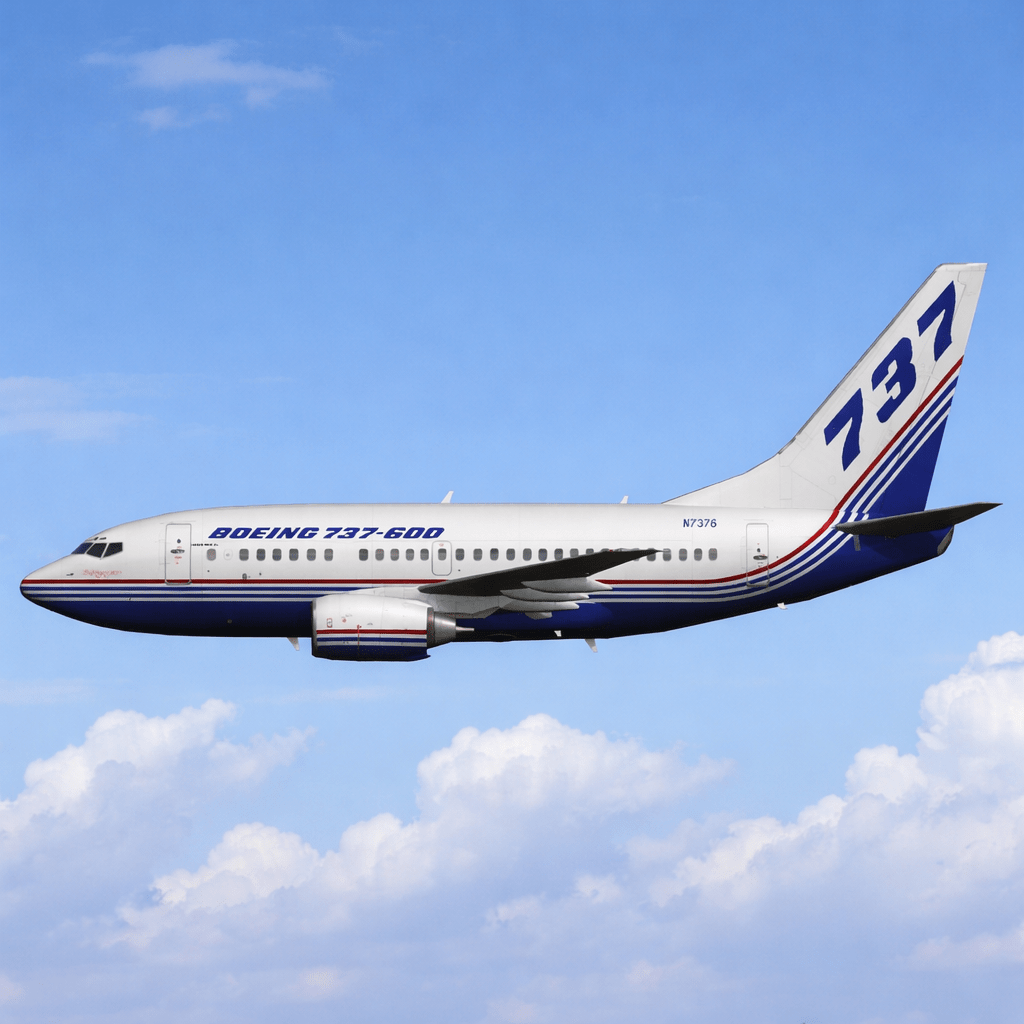
On March 15, 1995, the American manufacturer announced that it would launch the smallest member of its 737 family, designated the -600, as a replacement for the -500 ‘classic’. This announcement was accompanied by an initial order for 35 of the type from Scandinavian Airlines System (SAS).
The fuselage of the baby Boeing is essentially that of the -700, with two plugs measuring 1.37m (forward) and 1.01m (aft) removed, resulting in an overall length of 31.2m (102ft 6 in) and an operating range of 3,235 nautical miles.
The first example was rolled out from Boeing’s Renton Factory, Washington, on January 7, 1998 and took to the skies at 10:16 PST on January 22, with Boeing Captains Mike Carrier and Ray Craig at the controls. A further two 737-600s were involved in the flight test and certification process, which was granted by the FAA on August 14, 1998.
Despite the popularity of the 737, the -600 was not a commercial success, with only 69 built, highlighting that shrinking a baseline model rarely proves popular, as shown by Airbus’ rival, the A318, and, earlier, the Boeing 747SP.
The last -600 was delivered to WestJet in 2008, and the Canadian airline had been mooted to launch the model with winglets but later dropped the idea.
Operators
Air Algérie
The national airline of Algeria welcomed its first -600 (7T-VJQ – named ‘Kasbah D. Alger’) on April 29, 2002 and would go on to operate five of the type in a two-class 101-seat layout with 85 Économique seats and 16 Affaires Business seats.
The jet remains in service today and is used on the airline’s domestic network and on short-haul operations around Europe, the Middle East, and North Africa from its Algiers hub.
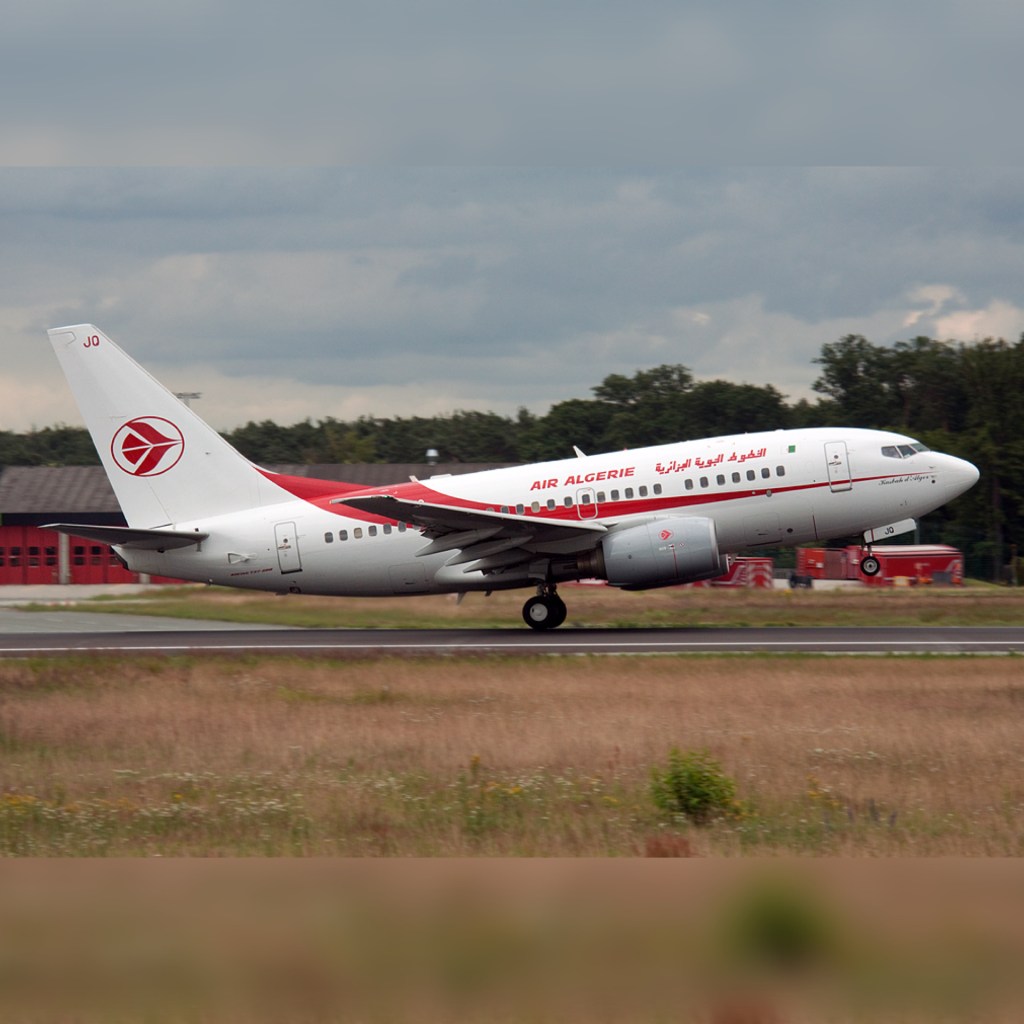
Paul Nelhams from Shannon, Ireland, CC BY-SA 2.0, via Wikimedia Commons)
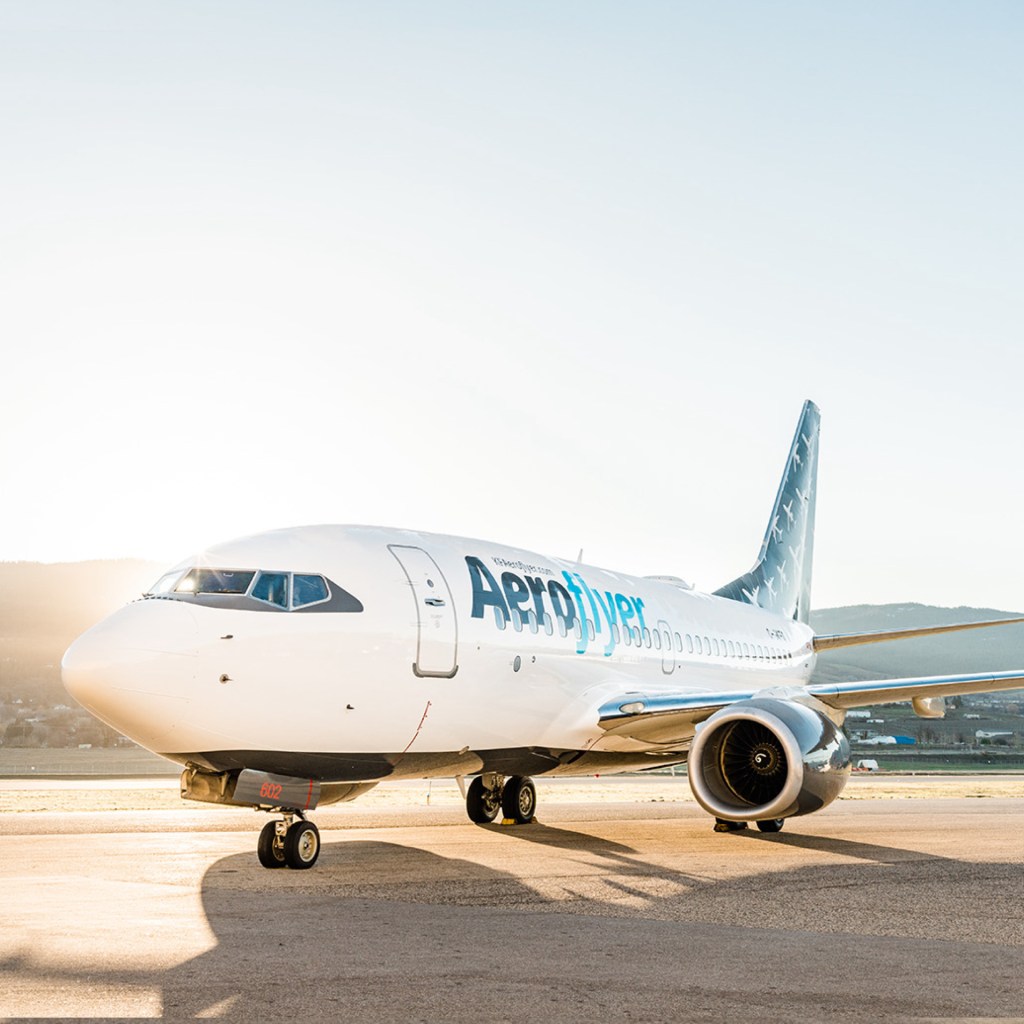
Aeroflyer
Canadian charter carrier Aeroflyer operates a pair of Boeing 737-600s – C-GKFP and C-GKFQ – on ACMI, Workforce Transportation (WFT) and Fly In Fly out (FIFO) Programs. Both were delivered to the airline in February 2022 after being retired from WestJet and are configured with 119 seats in a single-class layout.
Tunisair
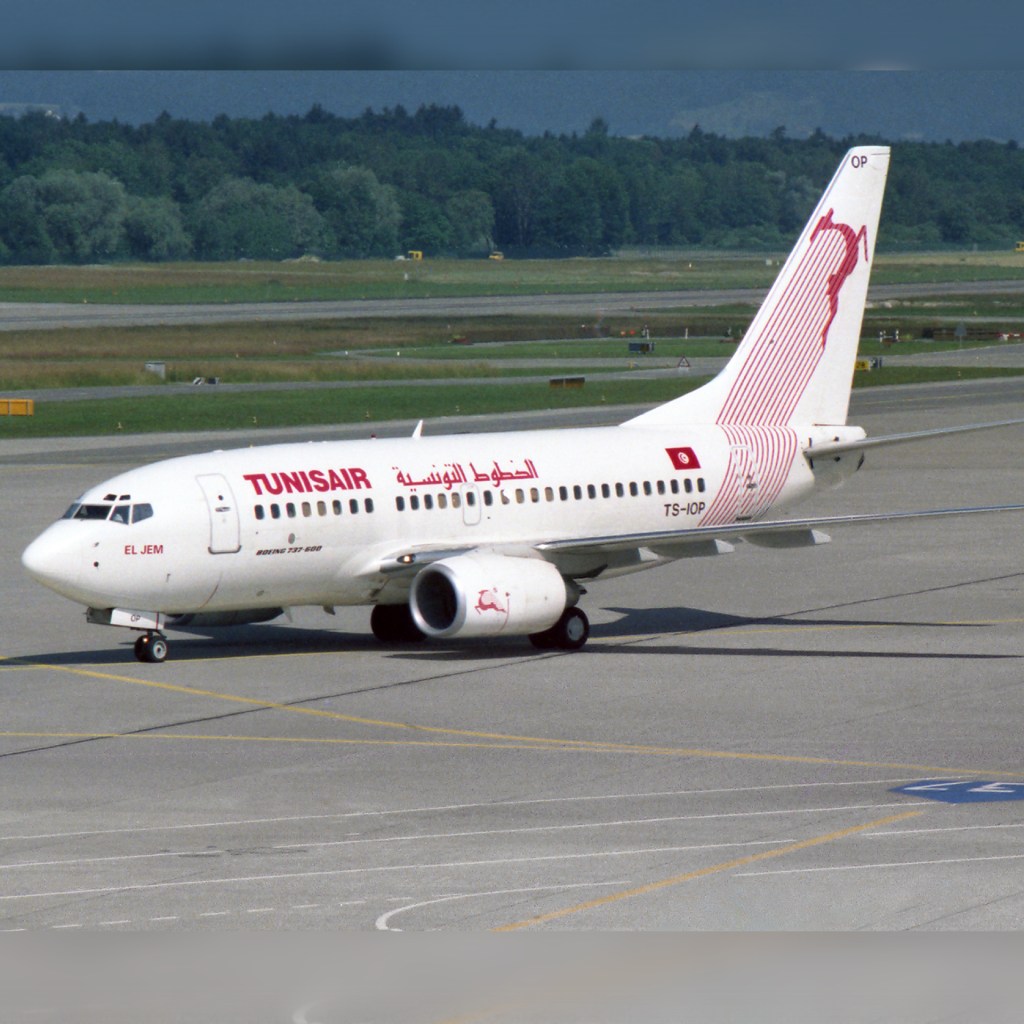
Société Tunisienne de l’Air (Tunisair) operated a fleet of seven 126-seat 600s on routes across Europe and on several domestic rotations.
Its first example, TS-IOK, arrived in May 1999, and TS-IOP was later painted in a retro scheme to celebrate the carrier’s 70th anniversary.
All have since been removed from service and placed into storage, with the last example, TS-IOL, being retired in November 2022.
Scandinavian Airlines System (SAS)
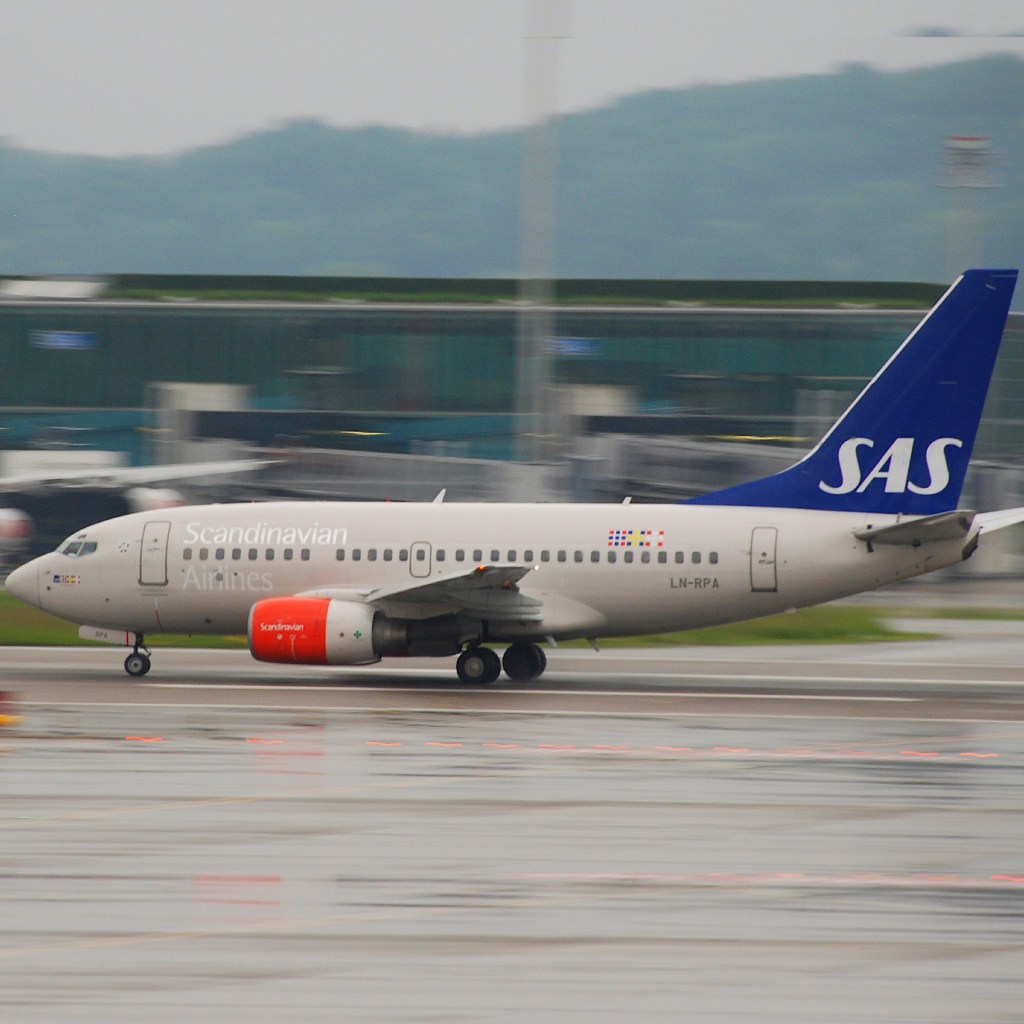
Scandinavian Airlines System (SAS) was the launch customer of the -600 and also the largest operator of the type, receiving 30 -600s over six years. The jet was predominantly used for inter-Scandinavian flights but was occasionally seen on flights across Europe. The airline operated the type in an all-economy 120- or 123-seat layout.
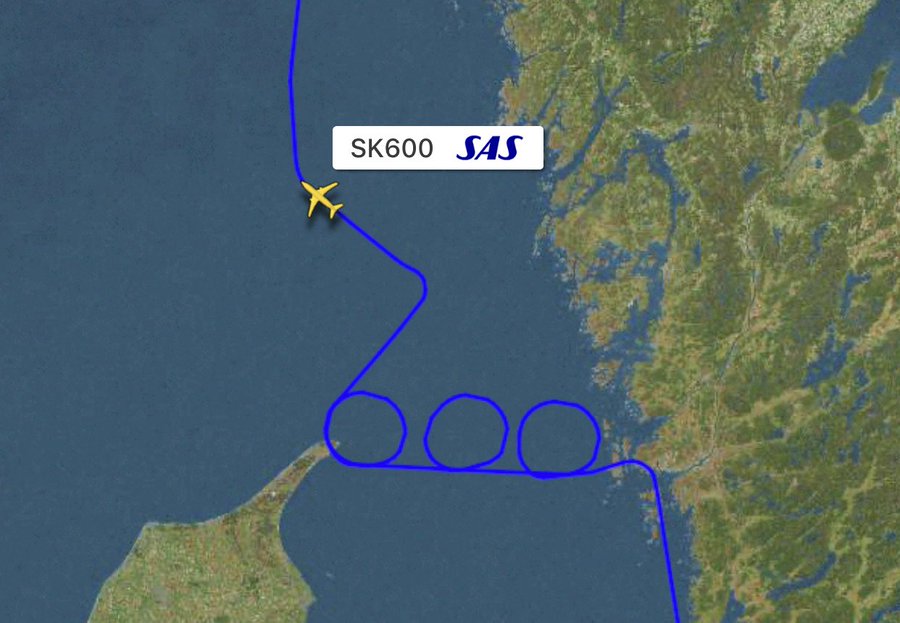
SAS received its first example, LN-RPA, in October 1998 and retired its last, an LN-RPG, on November 30, 2019, after 21 years of service, as the type was replaced by the Airbus A320neo.
On its final flight, operating under the special flight number SK600, it visited all of SAS’s main hubs before spelling out the number 600 in the sky.
WestJet
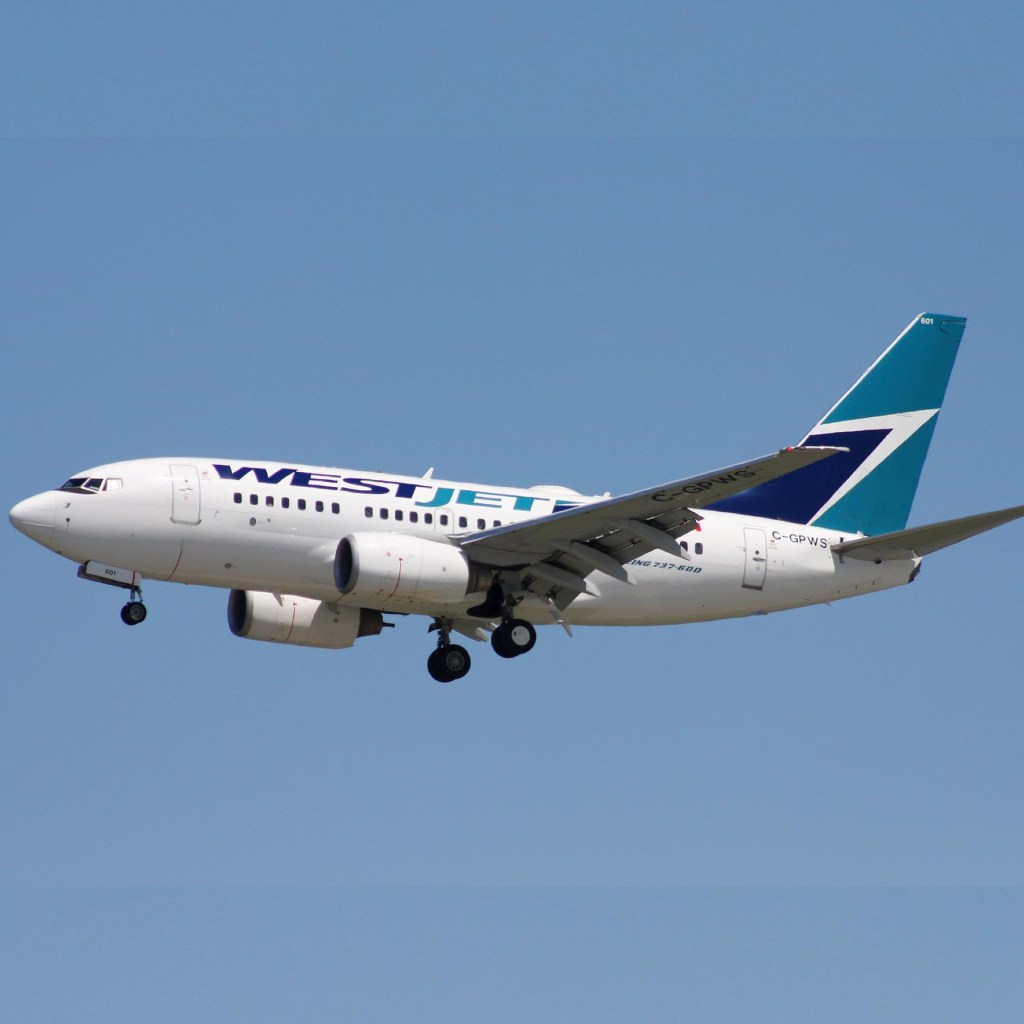
WestJet received its first 737-600, C-GPWS, in August 2005 and was a major operator of the type, plying various domestic routes across Canada. The carrier operated the aircraft in a 113-seat configuration with 12 in premium and 101 in economy.
The airline retired the type in 2021.
Malév Hungarian Airlines
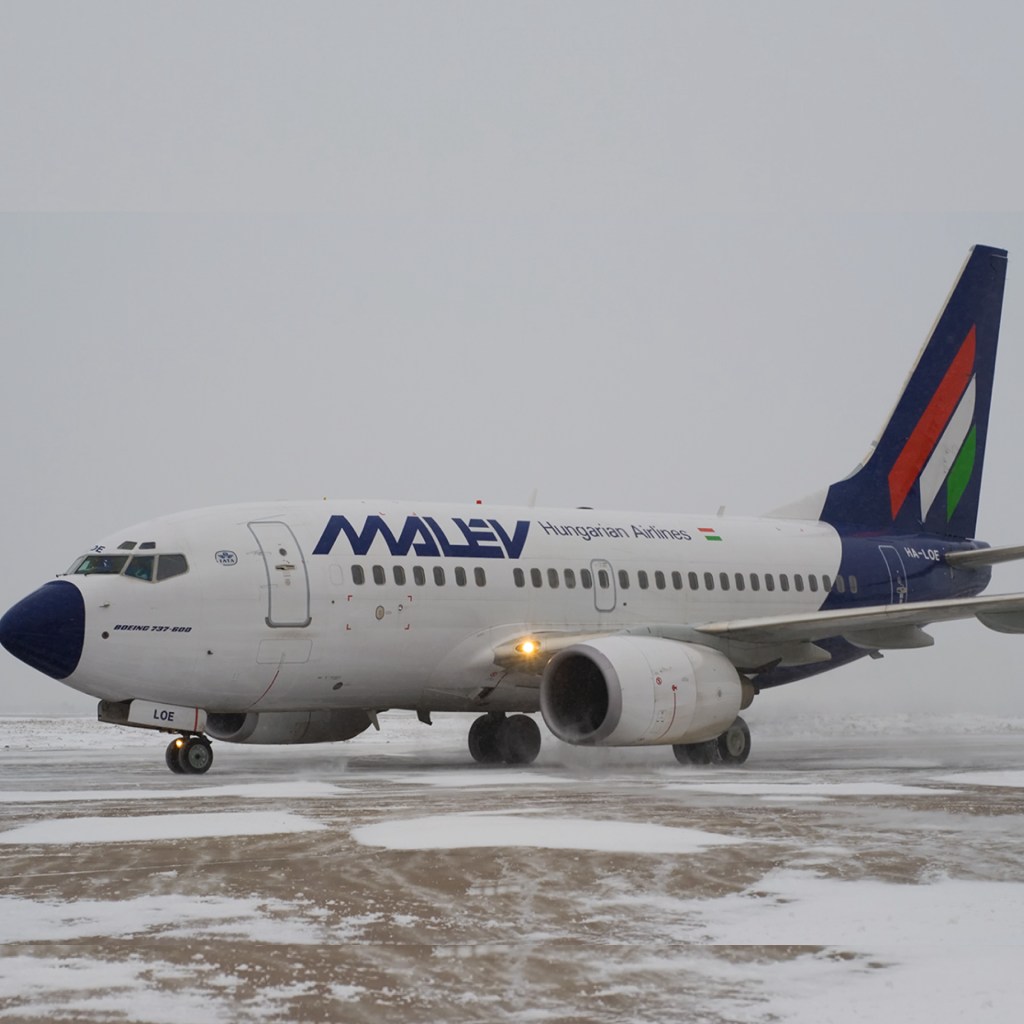
The second-largest European operator of the Boeing 737-600 was Malév Hungarian Airlines, which operated six aircraft until its bankruptcy in 2012. HA-LOD was the first to arrive in October 2003.
All six aircraft were configured with 19 business-class and 90 economy-class seats, but were subsequently broken up after Malév’s demise in 2012, despite being less than 10 years old.
EG&G (Janet Airlines)
EG&G or Janet Airlines is one of the more unusual operators of the -600. Six examples operate for this private, very secretive Las Vegas-based carrier that transports personnel for the United States Air Force.
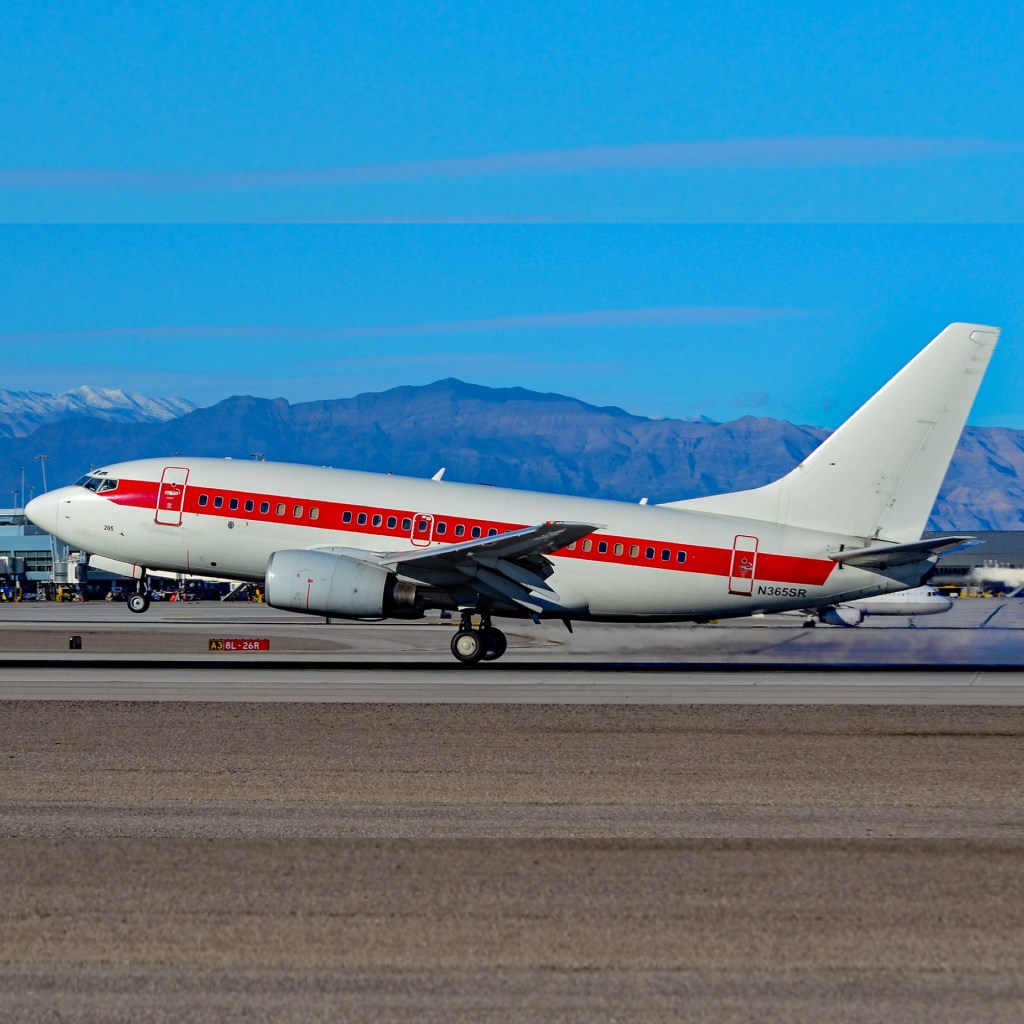
Tomás Del Coro from Fabulous Las Vegas, Nevada, USA, CC BY-SA 4.0, via Wikimedia Commons)
Air China
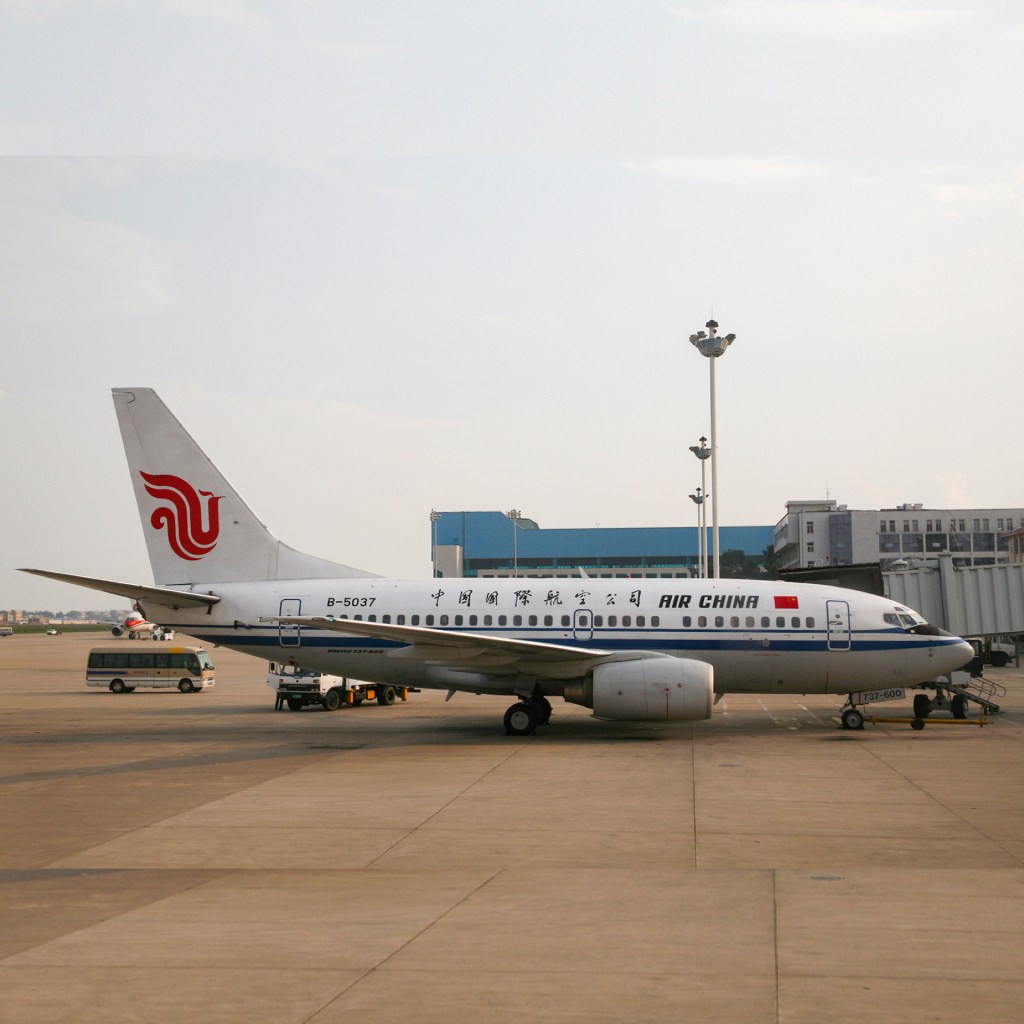
China Southwest Airlines was merged with Air China in October 2002. The new owners inherited the order for six Boeing 737-600s, which it decided to keep.
B-2155 was the first to arrive in March 2003, and the airline utilised the aircraft between 2003 and 2009 in a 102-seat configuration with 8 business class and 94 economy seats.
FlyGlobespan
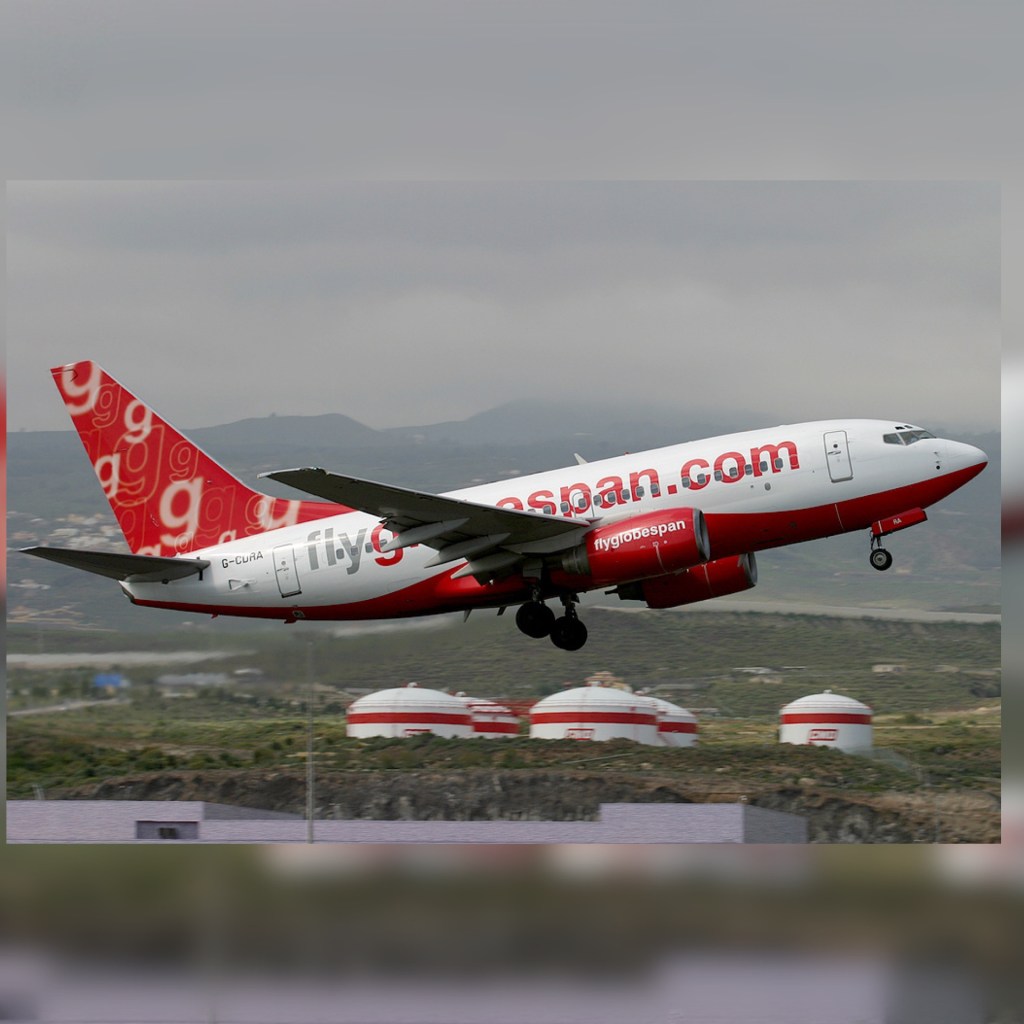
FlyGlobespan was the only UK airline to operate the -600 when it took hold of four ex-SAS examples. The first of these 123-seat all-economy aircraft, G-CDKD, arrived in April 2005.
SAS would take back two of the aircraft in 2008, while the last two would be transferred to Eaststar Jet of South Korea and Midwest Airlines of Egypt before FlyGlobeSpan suspended operations in December 2009. Midwest would rapidly fail, and its solo aircraft would be decommissioned in 2010, while Easter Jet would operate its -600 until 2013.
Austrian/Lauda
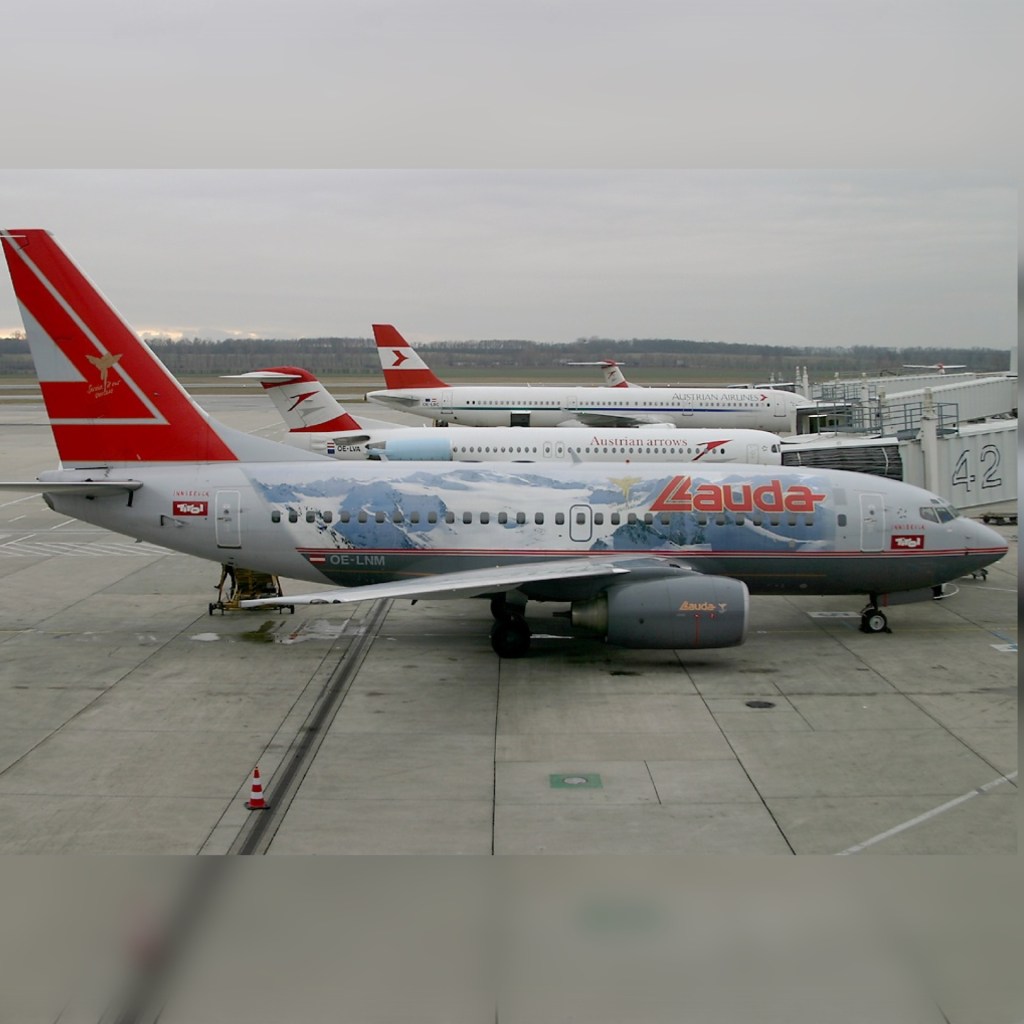
Austrian Airlines and Lauda Air operated two Boeing 737-600 aircraft between 2000 and 2012. The aircraft, registered OE-LNL and OE-LNM, were delivered to Lauda in May 2000 and operated for the airline until its merger with Austrian in 2009.
Austrian continued to use the aircraft until 2012, when they were retired and scrapped at MOD St. Athan that year.
Incidents Involving The 737-600
On February 21, 2001, a Scandinavian Airlines System (SAS) Boeing 737-600, operating flight SK2367, was involved in a near-miss with a Pakistan International Airlines Airbus A310, flight PK752. The Airbus was climbing away from Oslo Airport, and the Boeing jet was inbound, when both received a warning from their Traffic Collision Avoidance System (TCAS). The PIA jet began an immediate descent, and any collision was avoided.
On March 18, 200AlgérieAlgérie flight 2652, operated by a 737-600, 7T-VJQ, took off from Oran Airport, Algeria, en route to Seville Airport, Spain. As the aircraft approached the runway, the weather was stormy with variable rain and winds. A very hard landing ensued due to an unstable approach, during which the right main landing gear was broken. The aircraft was evacuated on the runway, and thankfully, no one was hurt in the incident. The aircraft was later repaired and returned to service.
On June 5, 2015, a Boeing 737-600 operated by WestJet, C-GWCT, landed long on a wet runway at Montréal. The crew then misjudged their intentionally delayed deceleration due to an instruction to clear the relatively long runway at its far end, and were unable to avoid an overrun. The investigation concluded that the use of available deceleration devices had been inappropriate and that deceleration to normal taxi speed as quickly as possible, then maintaining this speed to the intended runway exit, was a universally preferable strategy. It was concluded that viscous hydroplaning had probably reduced the effectiveness of maximum braking as the runway end approached. Passengers disembarked via air stairs, and no injuries were reported.
While the -600 may have been the least popular 737NG variant, it served airlines’ fleets well over the years, and with many airlines cutting capacity due to the coronavirus pandemic, it may continue to do so for some years to come.
For the full Boeing 737-600 production list, click here.
© Jet Back In Time By Lee Cross.
N.B. The author does not own the copyright for these images.
 Jet Back In Time
.jpg)
.jpg)
_(2).jpg)
.jpg)
.jpg)
_Boeing_737-66N_s_n_29891_(46779196002).jpg)
.jpg)


2 thoughts