
Air Canada has announced a firm order for eight Airbus A350-1000 aircraft, with options for a further eight, as part of its long-term fleet modernisation strategy. Deliveries are scheduled to begin in the second half of 2030.
As the largest member of the A350 Family, the -1000 will become the largest aircraft in Air Canada’s fleet, adding what the airline describes as “a new dimension” to its long-haul network. The type is expected to provide additional flexibility for opening new markets while strengthening capacity on established flagship routes.
The order underlines Air Canada’s continued confidence in Airbus as a key element of its long-haul growth and renewal plans. It also represents the latest chapter in a relationship spanning more than three decades, encompassing much of the European manufacturer’s passenger aircraft portfolio, from the early fly-by-wire narrowbodies to today’s ultra-long-range widebodies.
With the A350-1000 now set to join the fleet, it is timely to reflect on the history of Airbus airliners at Air Canada. Over the years, the carrier has frequently been a “first in North America” operator, introducing several Airbus types at key moments: modernising short-haul flying in the early 1990s, establishing long-haul capability in the mid-1990s, reshaping its widebody fleet around efficient twinjets in the 2000s, and—most recently—renewing short- and medium-haul operations with the A220.
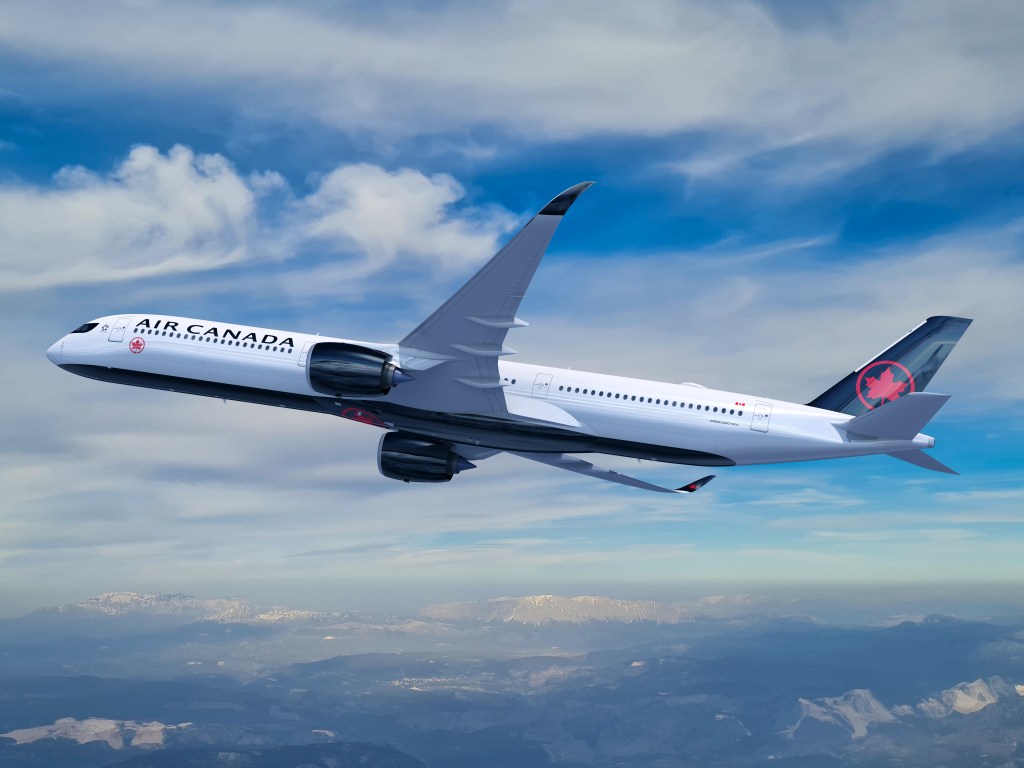
Airbus A320-200 — The first Airbus at Air Canada
Air Canada’s Airbus story began with the delivery of its first Airbus A320-200 (C-FDQQ), handed over in Toulouse on January 25, 1990. The aircraft made Air Canada the first airline in Canada to operate Airbus’s then-new narrowbody design.
The timing was significant. The A320 arrived when fly-by-wire controls, two-crew glass cockpits, and advanced flight management systems were still headline innovations. For Air Canada, the type proved transformational, forming the foundation of a narrowbody fleet that would later expand to include the A319 and A321.

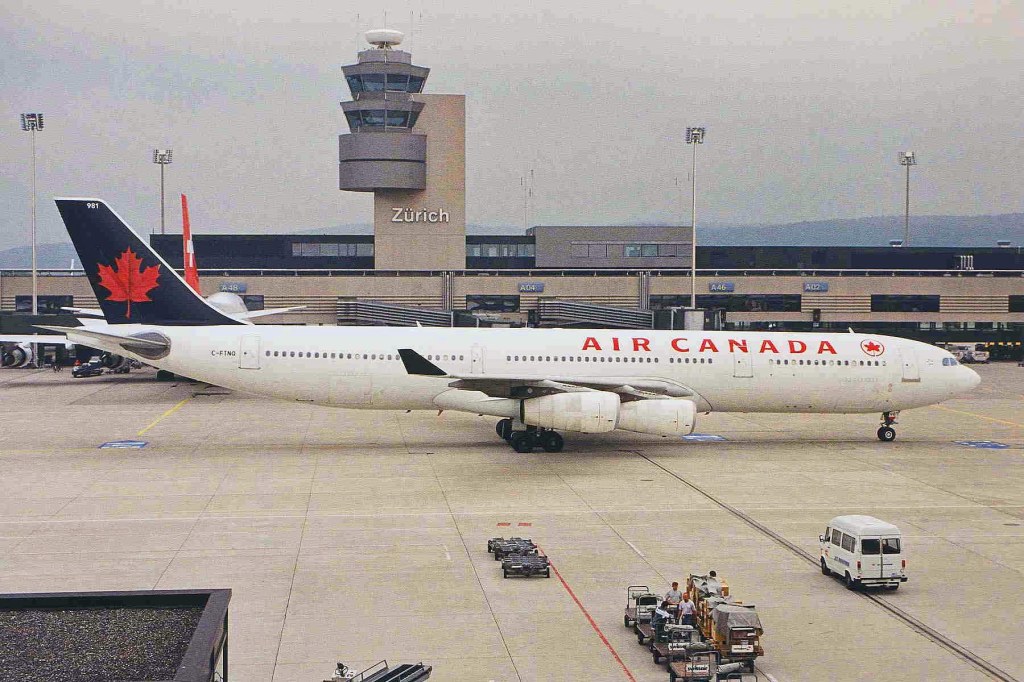
Airbus A340-300 — Long-haul ambitions take shape
Air Canada’s long-haul Airbus ambitions became clear with the introduction of the Airbus A340-300. The airline took delivery of its first example (C-FTNQ) in June 1995, becoming the first North American operator of the four-engined widebody.
Initially acquired through leasing, the A340-300 allowed Air Canada to rapidly expand intercontinental capacity without lengthy production lead times. The type became central to long-haul operations throughout the late 1990s, before changing economics and the arrival of new-generation twinjets began to erode the case for four engines. After operating 13 aircraft, Air Canada retired its final A340-300 in November 2008.
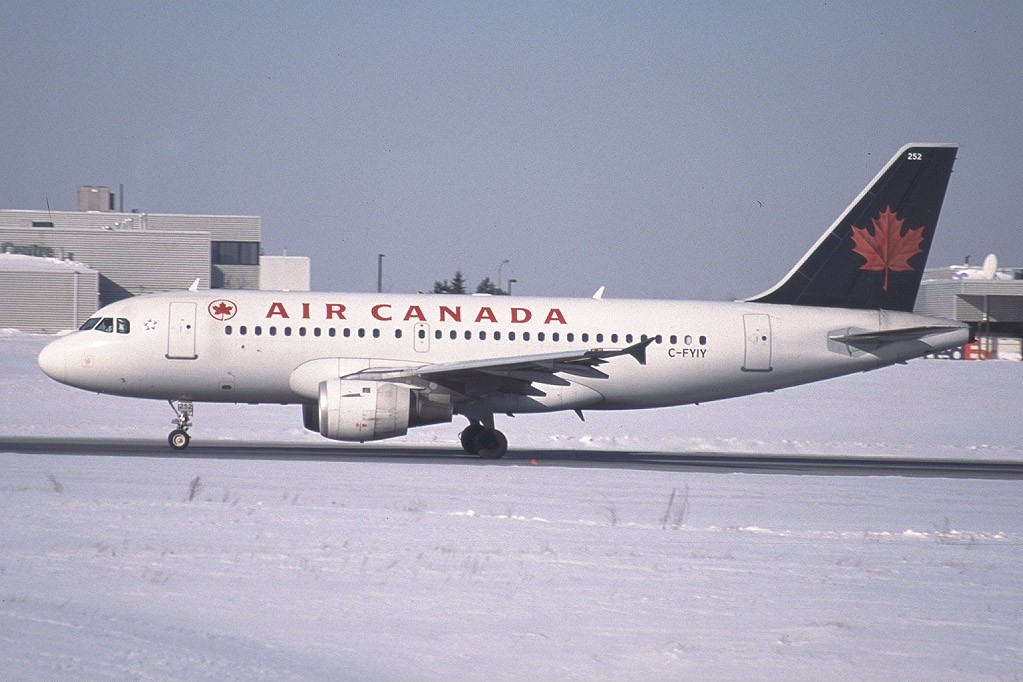
Airbus A319-100 — Another North American first
Air Canada further strengthened its commitment to the A320 family by becoming the first North American operator of the Airbus A319-100. After ordering 35 in 1994, the first example (C-FYJB) was delivered on December 12, 1996 and entered service later that month on the Toronto–Boston route.
The A319 provided a lower-capacity complement to the A320, delivering flexibility while maintaining full cockpit and maintenance commonality.
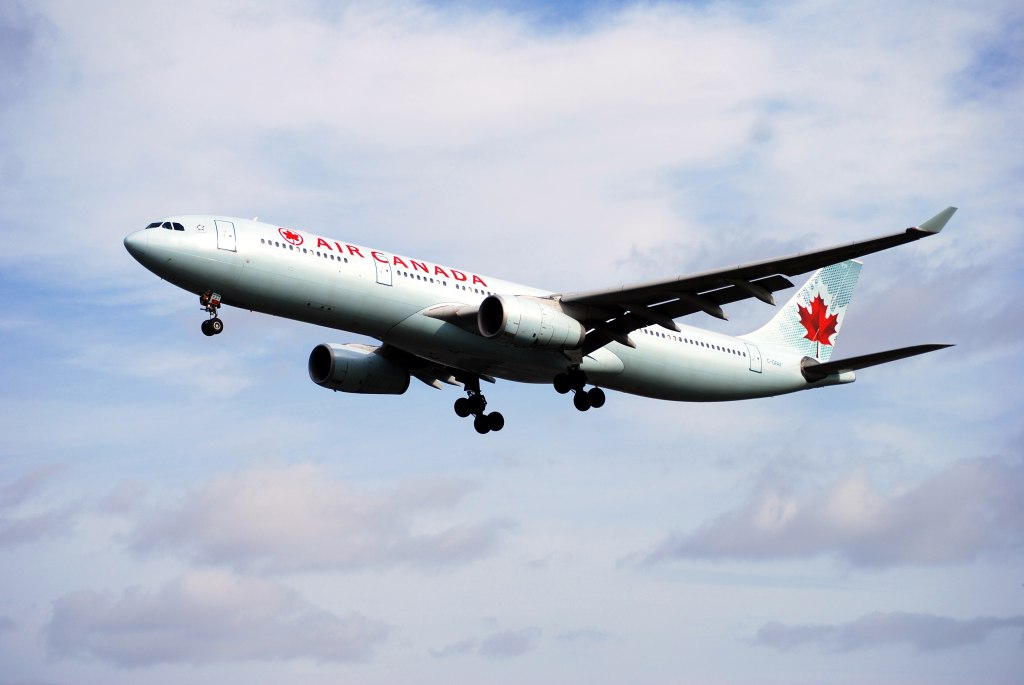
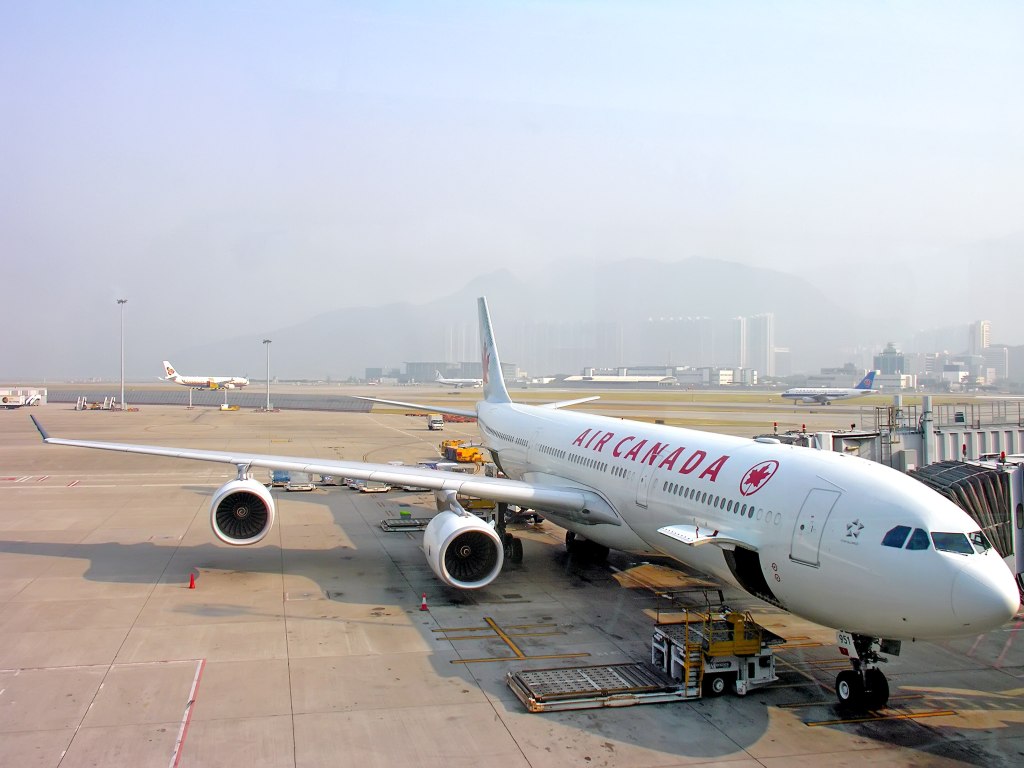
Airbus A330-300 — The dependable widebody twin
While the A340 defined Air Canada’s initial long-haul Airbus phase, the Airbus A330-300 became the durable backbone of the airline’s widebody Airbus fleet.
Air Canada took delivery of its first A330-300 (C-GFAF) in January 2000, becoming the first North American operator of the type once again. The aircraft’s efficiency, range, and versatility ensured long service lives, and the fleet was later expanded with second-hand aircraft sourced from Singapore Airlines, beginning in April 2019.
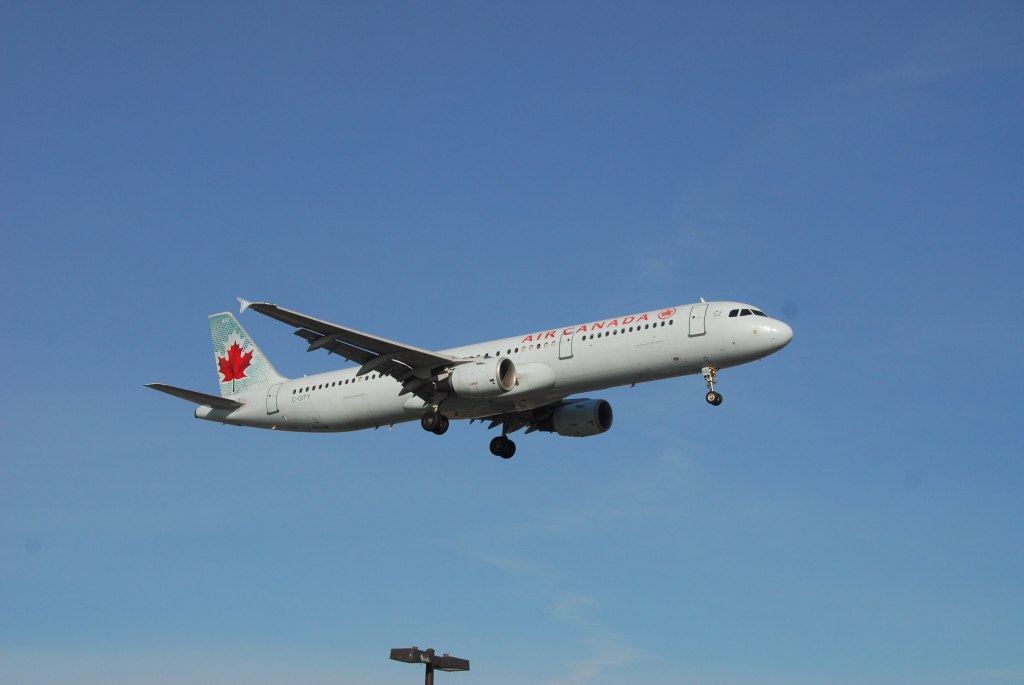
Airbus A321-200 — Stretching the narrowbody
The final member of the original A320 family to join Air Canada was the Airbus A321-200, when C-GITY was delivered in December 2001. Its introduction completed the airline’s adoption of the classic A320 family.
With higher seating capacity and unchanged cockpit commonality, the A321-200 proved well suited to dense domestic and transborder routes. That role is now set to evolve with the forthcoming arrival of the Airbus A321XLR, ordered in March 2022.
Selected for its combination of single-aisle economics and extended range, the A321XLR will allow Air Canada to replace ageing A321-200s while opening long, thin routes, particularly transatlantic services from eastern Canada and extended leisure markets, previously unsuited to widebody aircraft. First deliveries are expected from 2026.
Airbus A340-500 — An ultra-long-haul experiment
Air Canada’s most specialised Airbus chapter came with the Airbus A340-500. In April 2004, the airline announced plans to take delivery of two A340-500s (C-GKOM and C-GKOL) that summer to support ultra-long-range operations.
The A340-500s were closely associated with non-stop services such as Toronto–Hong Kong, Shanghai, and Delhi, highlighting range as a strategic differentiator. However, their service lives proved short. Rapid advances in twin-engine efficiency, particularly with the Boeing 777-200LR and 777-300ER, led to the type’s withdrawal in 2007.
Airbus A220-300 — A new generation
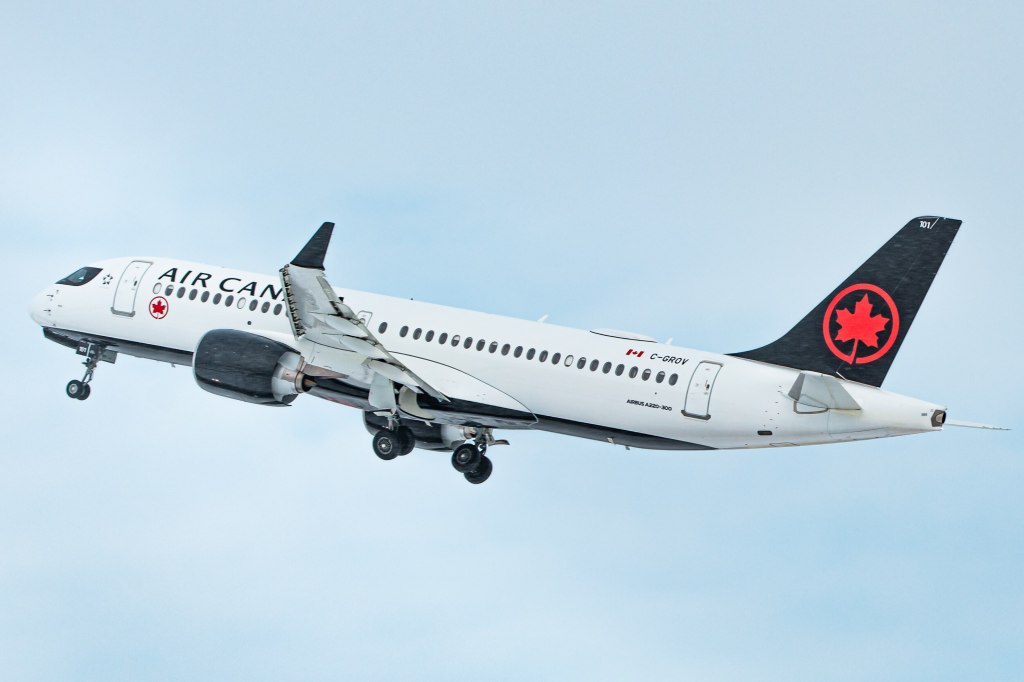
Air Canada’s most recent Airbus introduction is also its most symbolic domestically: the Airbus A220-300. The first aircraft (C-GROV) was delivered from Mirabel on December 20, 2019, with entry into service following on January 16, 2020.
The A220 marked a new chapter in short- and medium-haul flying, offering modern systems, improved efficiency, and strong passenger appeal, while strengthening Airbus’s presence in the Canadian flag carrier’s fleet.
As Air Canada prepares to introduce the A350-1000 in the next decade, the aircraft will not only redefine the upper end of its fleet but also extend its long, evolving partnership with Airbus, one that has repeatedly reshaped the airline’s network, capabilities, and competitive positioning.
Cover image credit: Air Canada.
N.B. The author does not own the rights to any of the images included in this article unless otherwise stated.
© Jet Back In Time by Lee Cross
 Jet Back In Time
.jpg)

.jpg)
.jpg)
_at_Hong_Kong_International_Airport.jpg)
