
The Tupolev Tu-334 was conceived as a short- to medium-range passenger aircraft in the 100-seat class, intended to replace ageing Soviet-era jets, most notably the Tu-134, across domestic and regional routes.
The programme emerged during the late Soviet and early post-Soviet periods, when Russia’s civil aviation sector faced a dual challenge: fleets were ageing, and the industrial system supporting aircraft development was under severe economic strain. The Tu-334 was meant to answer both problems by providing a modern, domestically produced airliner that could sustain design bureaus, factories, and suppliers while meeting the needs of post-Soviet airlines.
Design
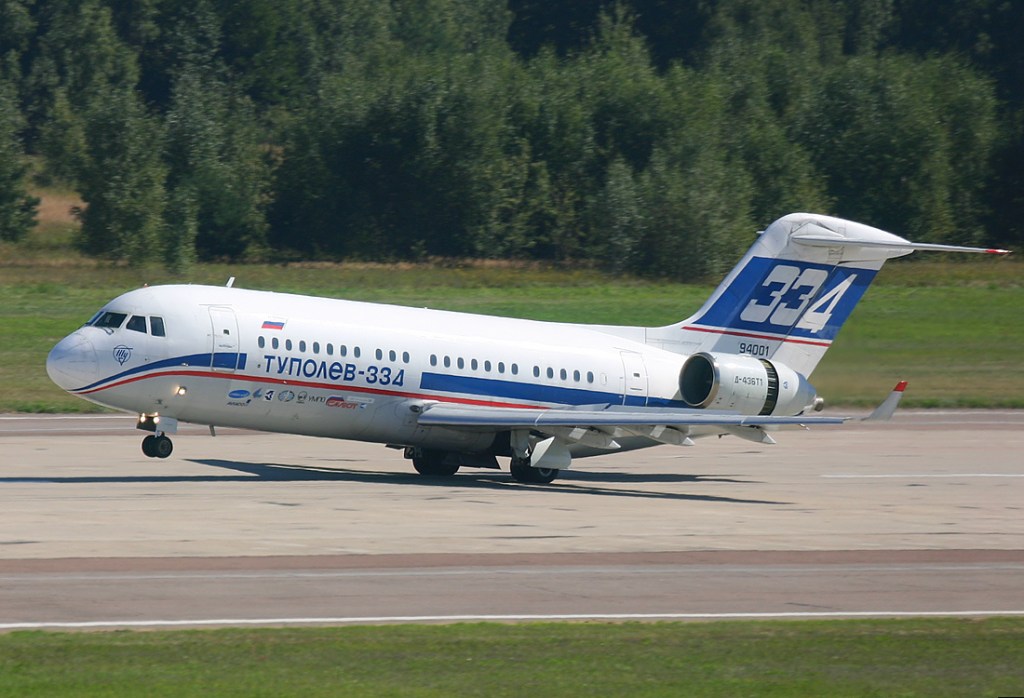
From the outset, the Tu-334 was shaped by the realities of the network it was expected to serve. Many Russian and CIS airports had limited ground infrastructure, and designers sought to develop an aircraft capable of operating reliably in such environments.
This thinking influenced the aircraft’s configuration, including its rear-mounted D-436 series turbofan engines and T-tail. That layout was intended to reduce the risk of foreign-object damage and runway spray ingestion while maintaining acceptable noise levels and cabin comfort. The aircraft was designed to carry roughly 100 passengers over sectors of up to about 3,000km, positioning it squarely as a successor to the Tu-134 rather than a direct competitor to larger mainline narrowbodies.
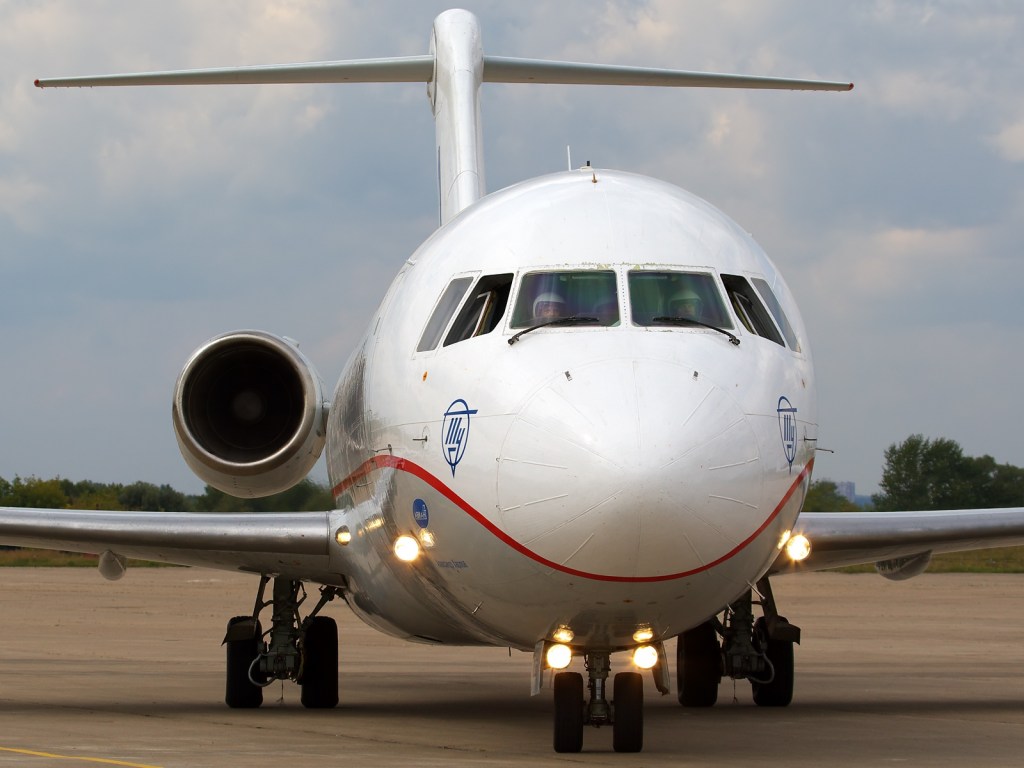
Development formally began in the late 1980s, but the collapse of the Soviet Union soon transformed the programme’s context. Funding became inconsistent, suppliers were disrupted, and production planning grew increasingly complex. These issues delayed progress throughout the 1990s.
When the Tu-334 made its first flight on February 8, 1999, from Zhukovsky and lasted 43 minutes, the event represented not only a technical milestone but also the survival of a programme that had already endured years of uncertainty. Test flights demonstrated generally stable handling and acceptable performance, confirming that the basic design worked as intended.
Problems and Lack of Orders
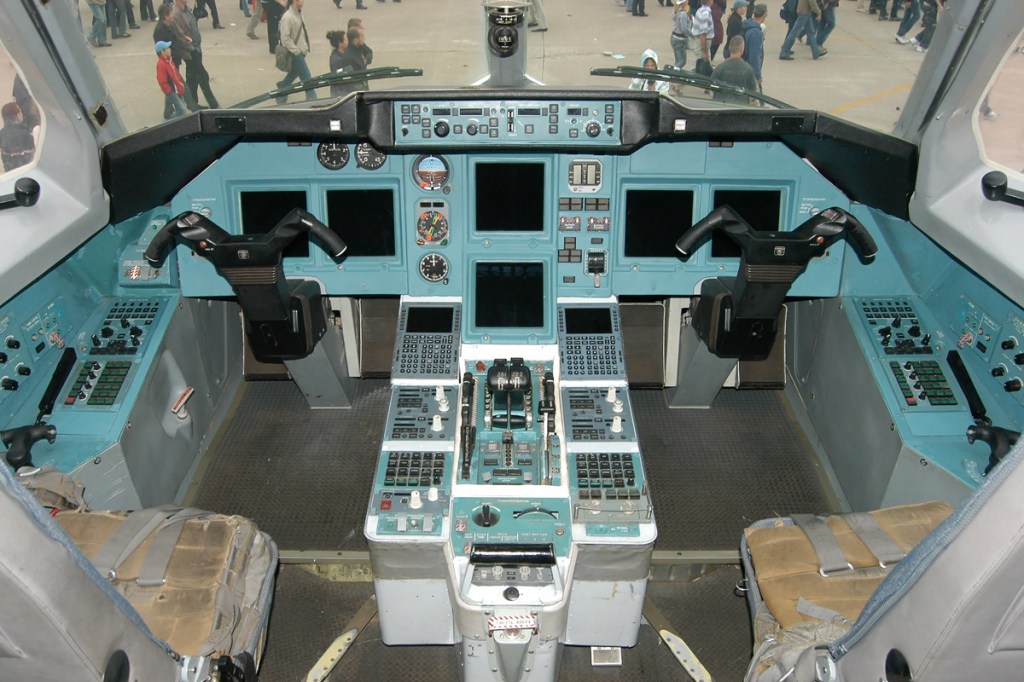
However, the period between the first flight and certification proved to be a critical weakness. The Tu-334 did not receive Russian certification until December 2003, leaving a gap of nearly five years. During that time, the commercial environment continued to evolve, and airlines increasingly sought aircraft with clearer production timelines, established support networks, and stronger financial backing. For the Tu-334, certification arrived too late to restore lost momentum.
Production planning further complicated the programme’s prospects. Over the years, various factories were proposed as assembly sites, including facilities in Kyiv, Samara, Taganrog, and Moscow. These shifting plans reflected the fragmented post-Soviet industrial landscape, where responsibilities and ownership structures were often unclear. At several points, organisations announced their intention to participate in production, only to withdraw later. The absence of a single, stable production line made it difficult to convince airlines that deliveries could be achieved on time and at a predictable cost.
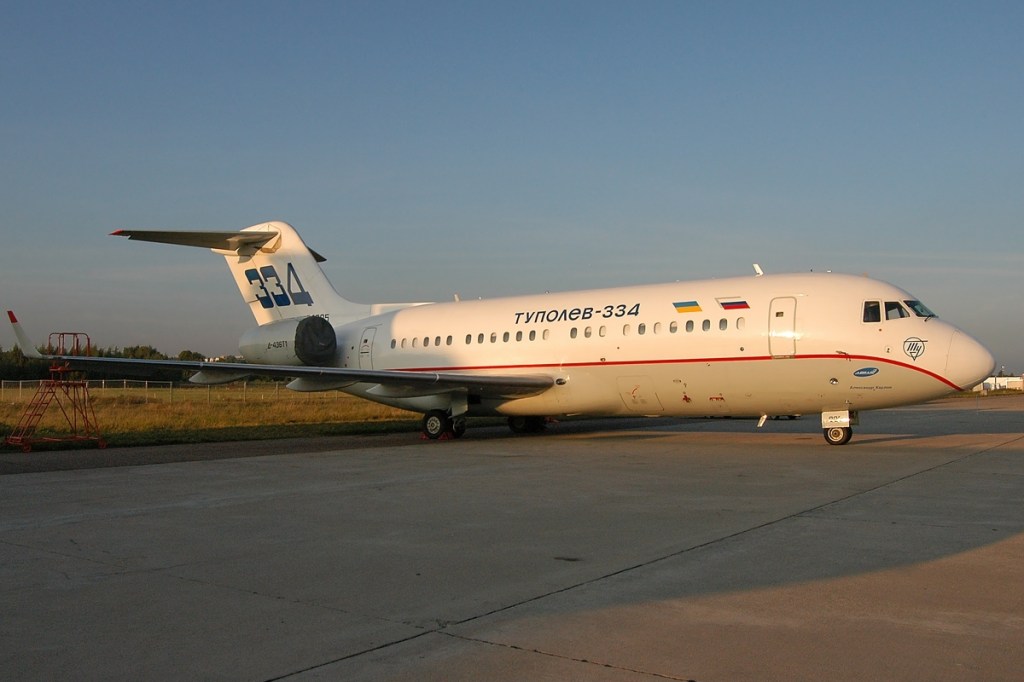
As a result, the Tu-334 never secured firm airline orders. While prototypes and demonstrator aircraft were flown and displayed, the type did not enter regular commercial service. Operational use remained limited to test and evaluation roles within the manufacturer and associated organisations. By the late 2000s, roughly a decade after its maiden flight, no Tu-334 had been delivered to an airline.
Strategic shifts within Russia’s aerospace sector ultimately sealed the programme’s fate. As state support and industrial focus moved toward newer projects, particularly the Sukhoi Superjet, the Tu-334 was increasingly sidelined. Official production plans omitted the aircraft, and no realistic pathway to serial manufacturing remained. Airlines that might once have considered the Tu-334 either deferred fleet renewal, turned to imported aircraft, or aligned with alternative domestic programmes that promised stronger long-term backing.
Conceived to modernise regional air travel and sustain a national aerospace industry, the Tupolev Tu-334 reached the sky but never crossed the final threshold into airline service.
Cover image credit: Oleg V. Belyakov – AirTeamImages, CC BY-SA 3.0 GFDL 1.2, via Wikimedia Commons.
N.B. The author does not own the rights to any of the images included in this article unless otherwise stated.
© Jet Back In Time by Lee Cross
 Jet Back In Time


_RP11200.jpg)
